When I bought my /e/ FP3 last May, I found the bumper quite bulky and I saw in this forum someone who makes FP3 3D printed cases. I bought him one, but it wasn’t as sturdy as I thought and I finally get used to using the bumper, cause it felt safer (and proved to be great in falls). Anyway, my 3D printed case was laying in the drawer (it was a bit broken, but the guy who made it told me it could easily be repaired with super glue).
I recently bought a FP3+ for my partner and he wanted a flip or book case no matter what. I bought this one online, but the phone had to be “sticky taped” (I didnt’ like that, it feels like is not going to last long), plus my partner makes intensive use of the phone, often with dirty hands and in a not very clean environment (sheep, animals…). So I didn’t like the idea of the edges being so exposed (the previous phone’s case was very dirty at the edges, and we wanted this one to last at least as much as the previous one (4 years, battery problems)).
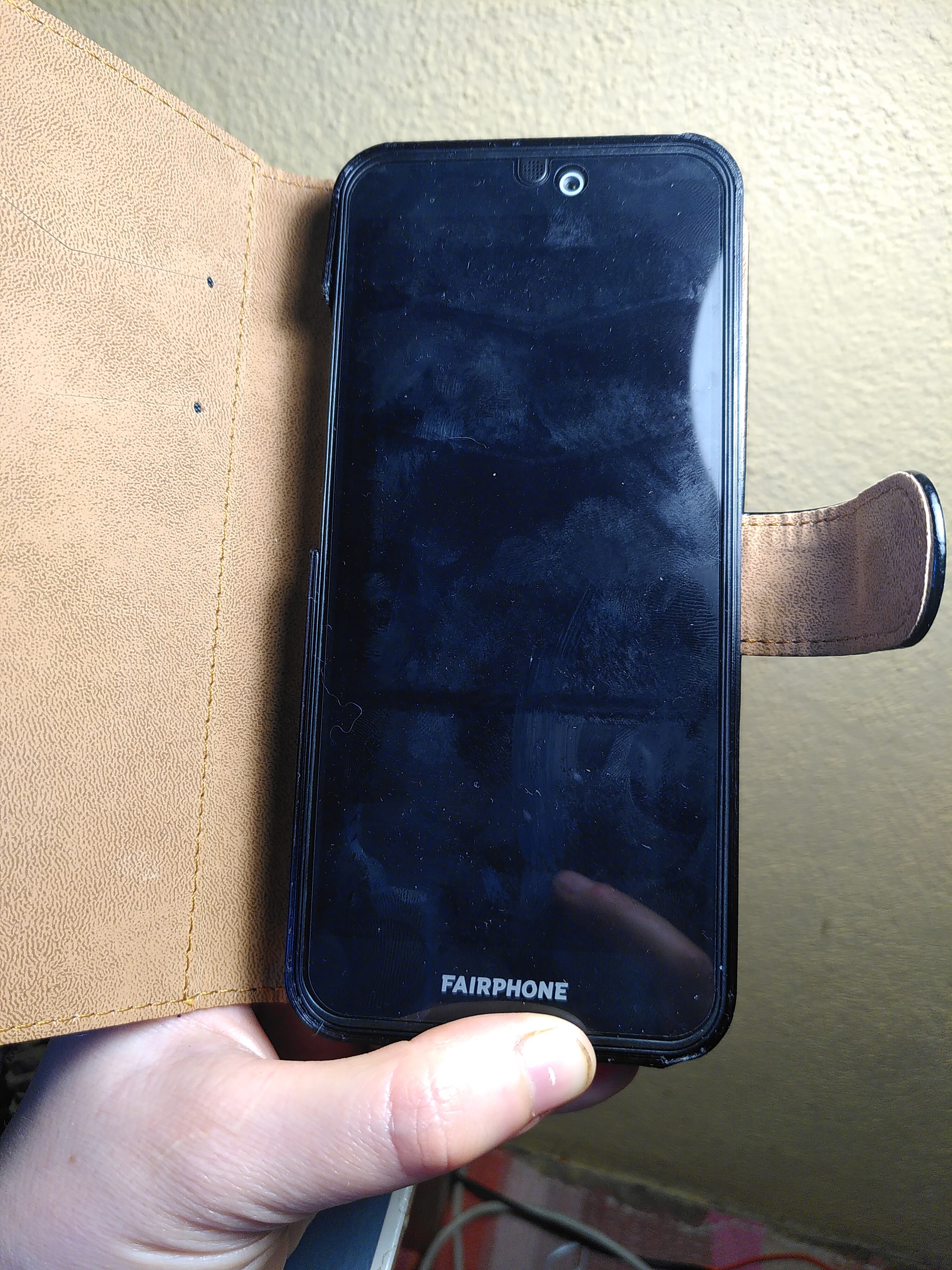
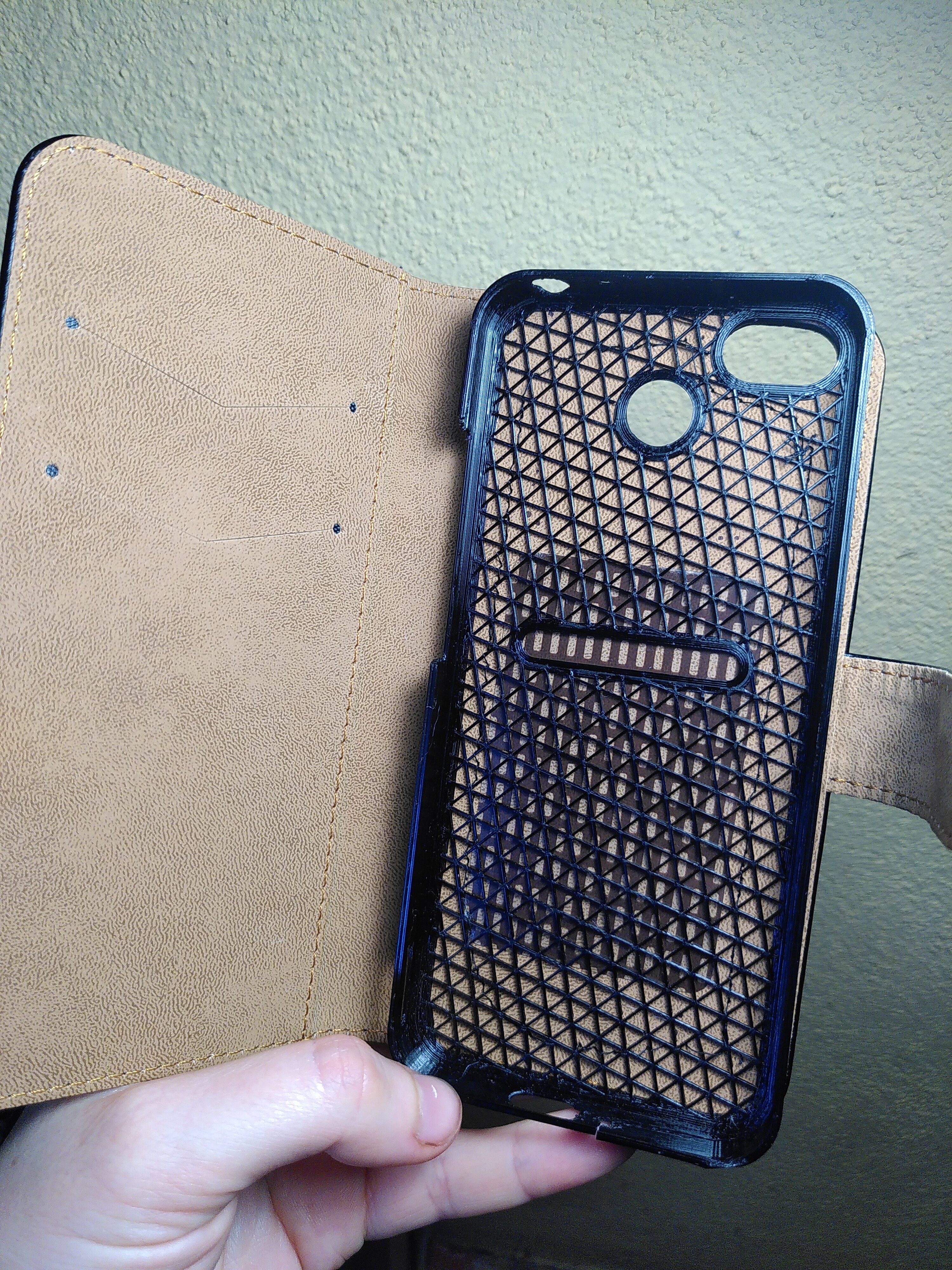
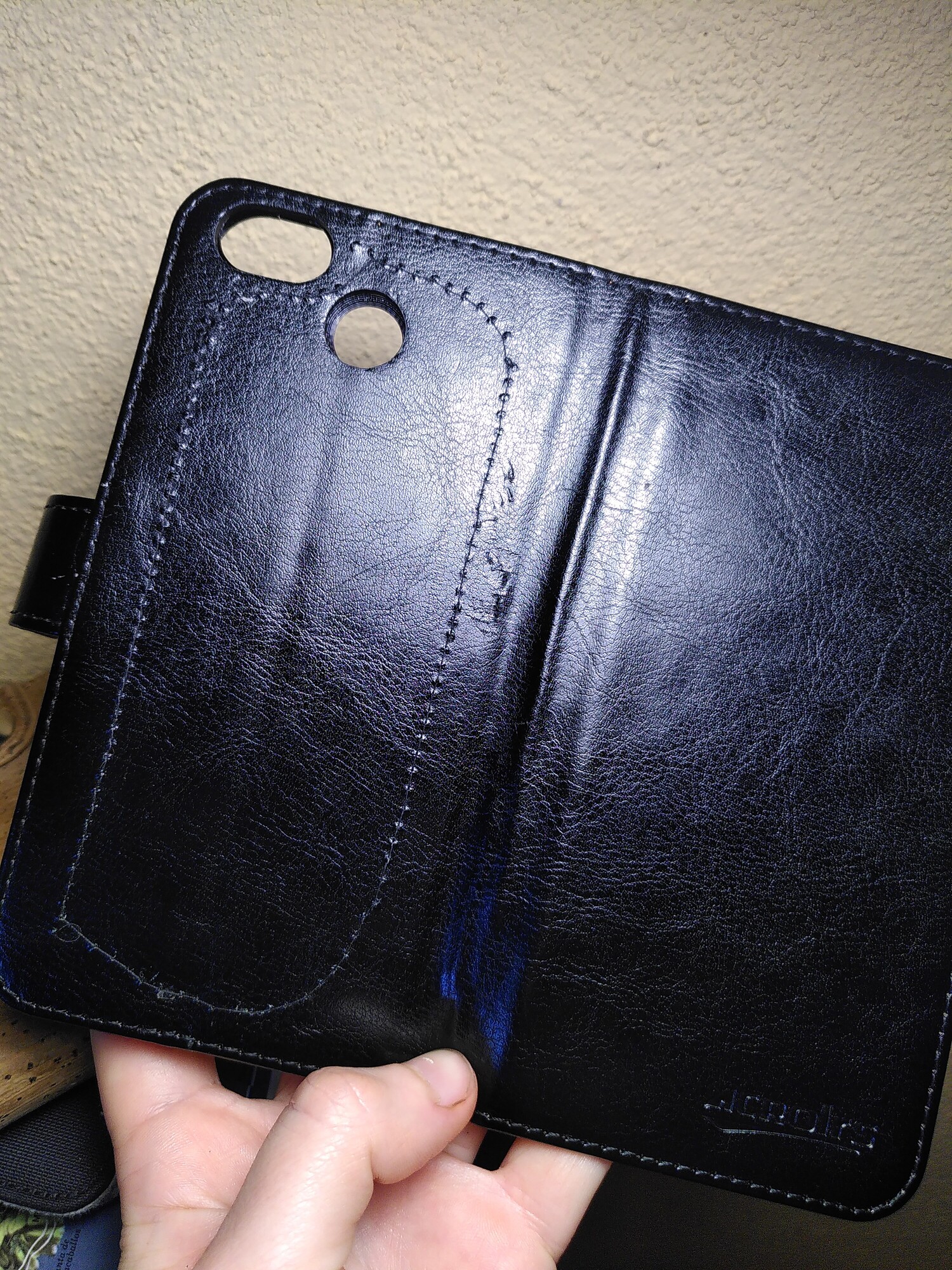
Therefore, taking @Woaloo s idea, I used the 3D printed case that was laying in the drawer but instead of glueing I sewed it with a sewing machine to the flip case. This way, the phone’s edges are protected ant dhe 3D printed case is well attached to the flip cover.
I put some pictures to illustrate.
The fingerprint sensor is deeper than we wish to, but it works and we prefer the protection and durability of the phone.
I hope this post helps someone else.

Regards,