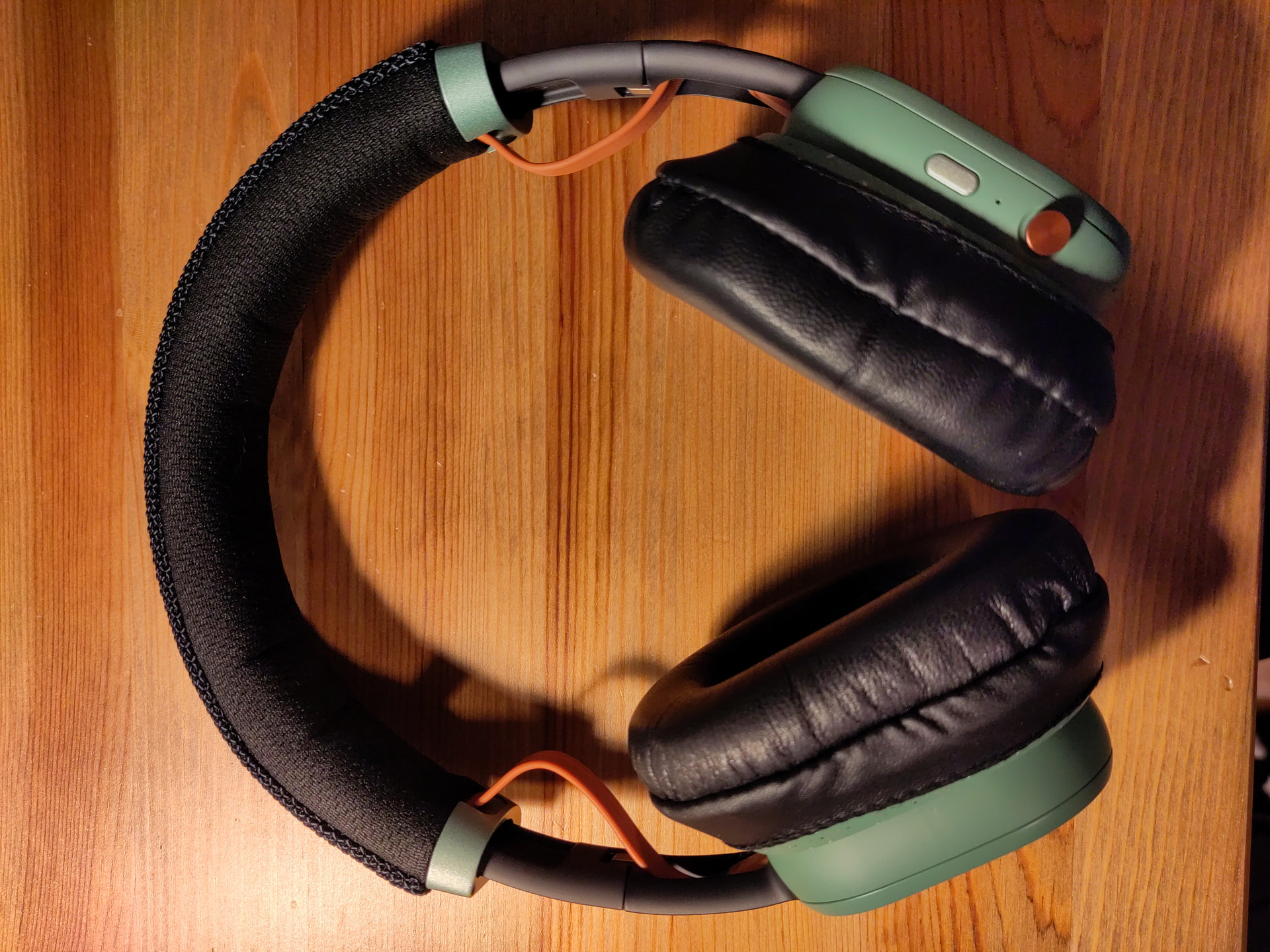
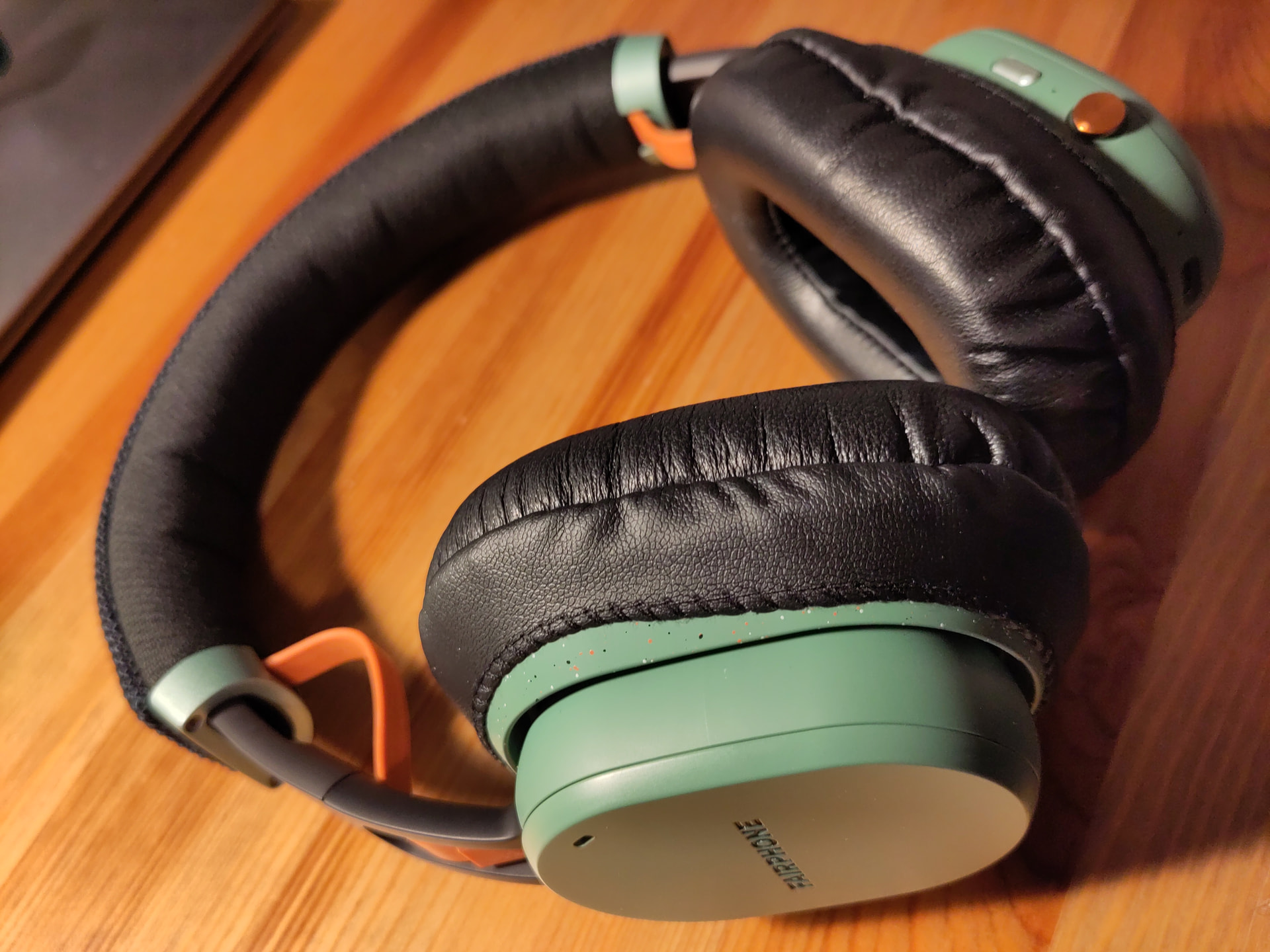
According to a recent article by The Guardian, hazardous substances were found in all headphones tested by ToxFREE project. The investigation into headphones found that every single pair tested contained substances hazardous to human health, including chemicals that can cause cancer, neurodevelopmental problems and the feminisation of males. Researchers bought 81 pairs of in-ear and over-ear headphones, either on the market in the Czech Republic, Slovakia, Hungary, Slovenia and Austria, or from the online marketplaces Shein and Temu, and took them for laboratory analysis, testing for a range of harmful chemicals. Unfortunately, Fairbuds or the Fairbuds XL were not tested. However, seeing the results of these tests, it does make me wonder if there are (also) hazardous substances in Fairbuds or in Fairbuds-XL headphones.
The article by The Guardian can be found here and the full test results can be downloaded here (.pdf file)
A couple of years ago I bought some Sennheiser HD25 headphones - perhaps the most well-known and best-selling headphones of all time. Are they listed in the PDF? Nope.
I recommend both not eating your earbuds/headphones and not burning them and inhaling the smoke either. These methods are the only way I can see the hazardous substances actually causing harm to anyone. Both will be bad for you even if there are no hazardous substances in the items anyway.
Bisphenols are a serious problem. According to the ToxFree study (p.13) “Scientific consensus suggests there are no safe levels of exposure to Endocrine Disrupting Chemicals(EDCs) such as bisphenols or phthalates, as they trigger biological responses at minute concentrations mirroring the body’s own hormones. Because EDCs effects are chronic, they may not be immediately observable, often manifesting years later or during “critical windows of development” like pregnancy and puberty. Furthermore, emerging research indicates that EDC exposure can have transgenerational impacts, affecting the health of future offspring”
How bad bisphenols ( (like bisphenol A or BPA) are for your health is also evident from the fact that the European Food Safety Authority (EFSA) lowered the health-based guidance value by a factor of 20,000 to a value of 0.2 ng per kilogram of body weight per day for BPA in 2023. The reason for this was that BPA may be harmful to human health at lower quantities than previously believed. More info can be found here.
The gist: some headphones mentioned in the report have been removed from some stores in the Netherlands voluntarily.
I hope @Fairphone_CM will have the ability to get someone to look into this such that consumers know what to expect from Fairphone products. TBH, even if there is BPA in the product, that is not a shame IMO. Fairphone can sell updated spare parts with alternative materials that do not contain BPA such that consumer who care can for example replace headphone ear cushions or headbands themselves.
A research study has found harmful plastics in some of the biggest Earbuds/Headphone brands. While most of them would not be harmful with regular use, I was quite surprised with the amount of high-end brands that would be considered harmful.
I wondered, is there any information about the use of these plastics in Fairphone’s line-up of audio accessories?
Hi @bjoern52, good reply, thanks for setting me straight
I hadn’t appreciated the risks from skin contact, I naively thought that we’d moved away from skin contact risks a long time ago when when lead, mercury and other hazardous chemicals were removed with RoHS.
Gaming brand Razer has halted sales of a popular headset presumably due to the presence of high levels of potentially harmful substances. Anyone searching for the Kraken V3 in Razer’s European webshop is turned away. The page is inaccessible. The product is however still listed in the US web store, but displays an “out of stock” sign. The manufacturer has opted for further radio silence about this matter. Despite repeated requests from Dutch journalists for an explanation, it remains silent from the Razer headquarters in Singapore.
The Fairbuds XL are described as having “>80% recycled plastics” while the regular Fairbuds are said to be “almost 70%” recycled by weight. That in itself is great but not so much, should the sources of said plastics be contaminated. In the study, recycling is mentioned several times. It stresses the difficulty of even knowing, whether plastic, which is to be recycled, contains harmful substances.
So unless Fairphone issues a statement, specifying, how exactly their recycled plastic is made sure not to contain any of the substances mentioned in the study, I would guess it’s a gamble.
Your specific Fairbuds might then be free of all these substances, while others are full of them.
I don’t know that, but that seems most likely to me for now.
Ok, I took matters in my own hands, and I got these SONY MDR-7506 SHEEPSKIN Leather Replacement Premium Earpads - Also Sui - Brainwavz Audio . The same company has many other models too, but this one seems to have the closest dimensions to the original. For me, this is a great solution! The volume inside the earpads seems to be a bit reduced due to the reduced thickness (2mm), probably the lack of he mounting ring that clicks on the headphones, and maybe just general slightly smaller dimensions. But for me, that does not seem to be a problem. Since I am satisfied, I will not be trying different models. I attached some pictures below. Note that I also replaced some other parts, so my fairbuds XL have definitely a non-standard look.
Our commitment to consumer health and safety is paramount. Following recent headlines from the ‘ToxFree LIFE for All Project’ regarding chemicals in consumer audio products, we want to address how we ensure the safety of our Fairbuds XL headphones.
Electronics supply chains are incredibly complex. To navigate this, we require all suppliers to thoroughly report their product composition, which we track against our stringent Restricted Substances List (RSL). Our RSL is designed to go beyond baseline regulatory compliance to proactively restrict harmful chemicals - including specific bisphenols, phthalates, and flame retardants.
Based on these strict supplier declarations and our targeted, risk based testing, we have no evidence that the Fairbuds XL contains the substances identified in the ToxFree report.
While comprehensive supplier reporting provides an important foundation, we recognize that transparency alone is not sufficient. That is why we complement supplier declarations and our Restricted Substances List (RSL), which goes beyond regulatory requirements, with targeted, risk-based testing focused on substances of concern and areas where supply chain complexity may introduce risk. This combined approach helps us identify, prevent, and address potential issues before products reach consumers. We actively audit our partners’ Hazardous Substance Free (HSF) management processes (following IECQ QC080000 standards) to catch and prevent risks at the source. We remain dedicated to pushing the industry standard forward, ensuring you can use your Fairbuds XL with complete confidence.